
Medical Precision Machining Parts: Materials, Documentation, and Tolerance Expectations at Low Volume
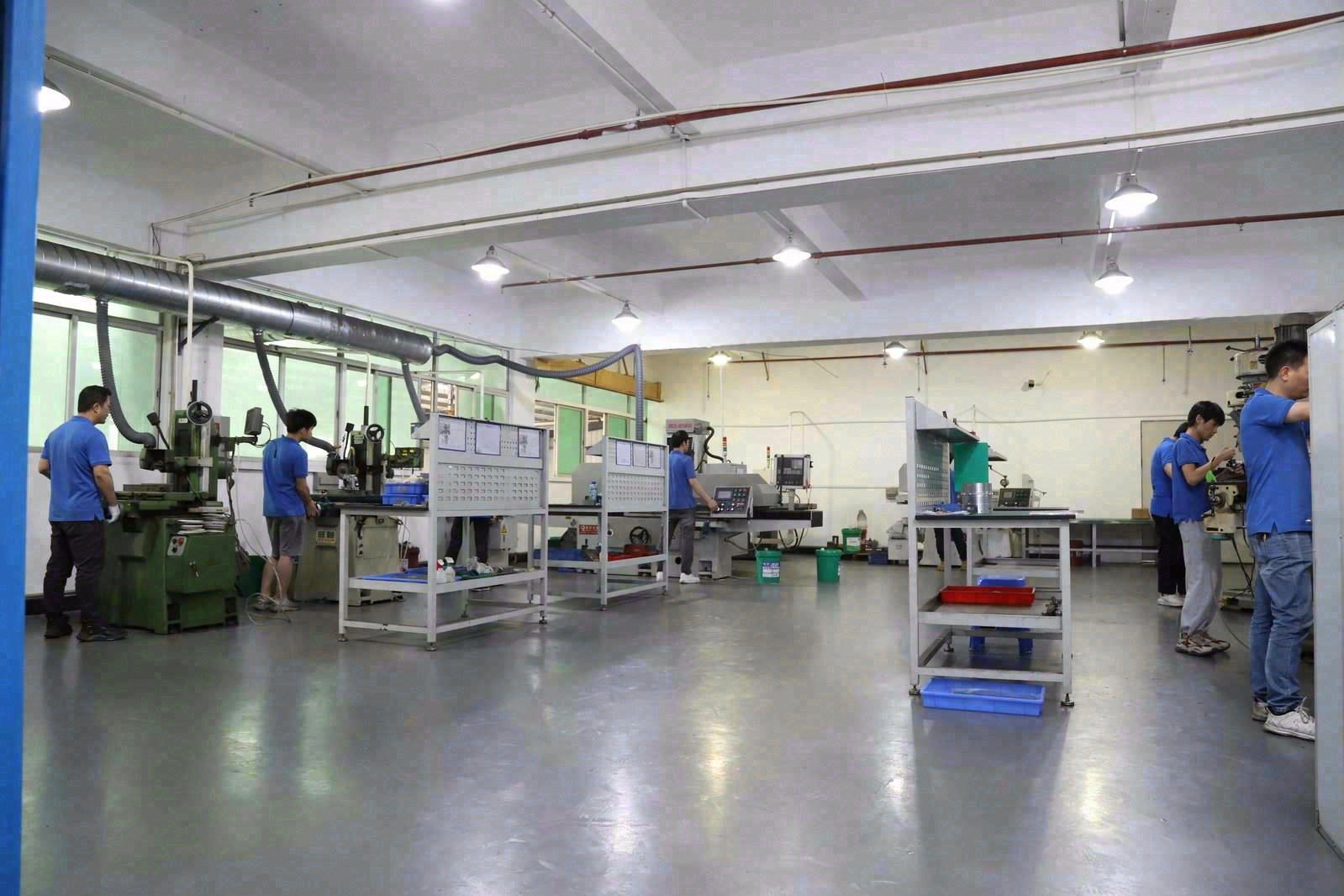
Medical precision parts are bought in the quantities a device program actually needs — one validation piece first, a small pilot second, volume only after the design and the process are proven. That ordering makes medical precision machining a low-volume buying problem as much as a machining one, and it reshapes every expectation. The first piece carries the programming, tooling, and prove-out costs by itself. The tolerance has to be proved by a measurement chain the device maker can audit, not asserted. And the records a device file demands have to be produced per order, because with one part there is no batch history to lean on. This guide sets those expectations for medical precision parts sourced from China: the material states worth specifying, what a CMM can honestly prove on a short run, the documents that belong with every shipment, and how the economics of a one-piece start drive the whole decision.
Why does a medical precision part begin as a low-volume purchasing problem?
A medical precision part is not a catalog item; it is the physical result of a decision sequence that starts with a drawing and a quantity of one. Until the design is validated, ordering in volume is a bet on an unproven geometry, so the rational path is a single piece, then a pilot, then volume. Each step has different unit economics, and the first article is always the most expensive because it alone carries the fixed work — the CAM programming, the fixture design, the tooling selection, and the first-article inspection — that a production run spreads across thousands of parts.
A floor that accepts a minimum order of one makes this validation path practical: a device maker can buy one part, measure it, change the design, and re-order without committing to a batch of something that may not work. The one-piece order also acts as a filter on supplier quality. A shop that can run a single part profitably, with real process work and honest inspection, is a shop whose documentation habits will survive a device audit. The shop that needs volume to justify its process cannot produce the per-order records a medical program depends on. Quantity and documentation are not separate questions — they are the same question asked twice.
Which material states earn a place in a medical precision specification?
The material line on a medical precision drawing carries more weight than on an industrial part, because the grade and condition have to survive scrutiny in a device file. The 316 stainless grade is the default where an instrument meets blood or tissue or must endure sterilization — its molybdenum content is what resists the chlorides in saline and cleaning agents, and that same content is what a substituted grade lacks. The 303 grade is the free-machining option for hardware that never touches the patient. Titanium 6Al-4V is specified where weight, strength, and long-term body contact converge. PEEK is the engineering polymer of choice for structural single-use components that need to survive sterilization and show up clearly on imaging.
Specifying the family is not enough; the condition has to be verifiable. A 316 part that is really a lower-cost substitute will corrode exactly where the drawing assumed protection. A titanium part that is not the certified alloy behaves differently in the body. The control that closes this gap is incoming: each lot is checked by XRF against its mill certificate before cutting, and the check is recorded — the first gate on the quality page. When the drawing names the grade and the RFQ requires that verification, the delivered part can be tied to the state that was specified, which is precisely the linkage a device file must contain.
What can the measurement chain honestly prove on a short medical run?
Precision machining is only as good as the metrology behind it, and on a low-volume medical order the metrology has to work harder because there is no statistical sample to fall back on. The floor capability is well established: milling and turning hold ±0.003 mm on stable geometry, grinding reaches ±0.002 mm, and key characteristics run at Ppk ≥ 1.67 initial. But with one part or a handful, capability numbers describe the process, not the run — the inspection itself has to measure every functional feature and record each value against its nominal callout.
The instrument that does the measuring matters as much as the values. A coordinate measuring machine reading the drawing's functional dimensions, value by value, produces a report a device maker can carry forward; a caliper on a bench does not. The CMM that verifies the validation article should be the same machine that will verify production, so the measurement history is continuous rather than restarted at each stage. The question a device buyer should ask is direct: which instrument measured these features, and are the values printed against the callouts? The specificity of the answer is the specificity of the metrology chain.
Measurement temperature belongs in the same conversation. Metal moves with temperature, and a report taken in an uncontrolled shop can disagree with a re-measurement on the device maker's dock by more than the tolerance band when the two environments differ. A report that names the temperature at which the values were taken — ideally at the standard reference the drawing assumes — is a report that can be reproduced and trusted later. On a short run where every functional feature is measured individually, the temperature note is what makes those measurements comparable across time and across borders, and it costs nothing to print on the report.
Which documents belong with every low-volume medical precision shipment?
Three records answer the questions a device file will eventually raise, and on short runs they are cheap to generate at order time and costly to reconstruct later. The first is the material record: the mill certificate for the incoming lot, paired with the XRF verification that the stock actually matched it. The second is the inspection record: the measured values for the functional features, printed against the drawing callouts they verify. The third is the process record: the machine, the program, the operator, and the date, so any later question about the part points to a specific event rather than to a guess.
These three records are the normal output of a traceable precision shop — they exist for every order, industrial or medical, because traceability is how a disciplined floor operates. What changes on a medical order is that the records become part of the deliverable rather than an internal file. A quotation that lists the record set is committing to it; one that leaves it verbal is asking the device maker to chase it later. On a one-piece medical order, where the single part may be the only sample of a design, those records are not paperwork — they are the part's memory, and the next stage of the program depends on them.
How does a pilot run change both the economics and the evidence?
Moving from one validation piece to a pilot of tens is the first real purchasing decision in a medical precision program, and the economics shift predictably. The fixed work — programming, fixturing, tooling, first-article inspection — was already spent on the single piece, so the pilot spreads it across more parts and the unit price falls toward its production shape. The documentation load does not shrink with the count: the material certificate, the measured values, and the process records still accompany the order, and at pilot size the inspection can still check every part rather than sample.
The pilot is also where the process begins to resemble production. The same machines, the same CMM, and the same work instructions that produced the accepted first article carry into the pilot, so the capability record is continuous. Ordering the single piece, validating it, and then piloting from the same floor under the same quality system avoids the re-qualification gap that opens when validation and volume come from different suppliers. Low-volume economics make that continuity affordable, and the continuity is what keeps the device file coherent from the first article to the production release, following the quantity logic the main precision-parts guide lays out.
What should a low-volume medical precision RFQ state to price the evidence in?
A precise specification produces a precise part and a precise record set. The RFQ should name the material grade and condition — 316 stainless, PEEK medical grade, titanium 6Al-4V — so the state to be verified leaves no room for interpretation. It should call out the functional features and their tolerances in the small set that carries the device's function. It should list the documents that ship: the material certificate, the incoming verification, and the measured values for the named features. It should state the quantity and the stage — single piece, pilot, or batch — so the supplier prices the fixed work and the inspection load correctly. And it should name the verification standard: Ppk ≥ 1.67 at the initial study on key characteristics and Cpk ≥ 1.33 on general characteristics. Capability is reported per characteristic: every report names the feature, its tolerance band, the sample size, the sigma method, and the study window., measured on the instruments that production will use.
None of this depends on a medical certificate hanging on the supplier's wall. It depends on documentation discipline, which a traceable precision floor practices on every order and will therefore extend naturally to a medical one. The RFQ is where the device maker puts the expectation in writing; the first single-piece order is where the supplier demonstrates it. When the record set is priced from the start, the design-history file closes without a scramble, and the part that ships arrives with its history already attached. One habit protects the whole chain: keep the same supplier and the same documentation standard from the first article through the pilot to production, so the file never has to reconcile two different record-keeping cultures. The low-volume path exists precisely to make that continuity testable before volume is committed.
Frequently Asked Questions
What materials should a medical precision part in China be machined from?
Use the production grade so the part validates what the device will use: 316 stainless for instruments that meet blood or tissue or face sterilization, 303 for non-contact hardware, titanium 6Al-4V for long-term-contact components, and PEEK or POM for polymer parts. The grade and condition must be verifiable by the supplier's incoming checks.
What tolerance can a low-volume medical precision part hold?
Milling and turning hold ±0.003 mm on stable features, grinding reaches ±0.002 mm, and key characteristics run at Ppk ≥ 1.67 initial. With only a few pieces, the inspection must measure every functional feature and report each value against its nominal callout rather than sampling.
Which documents should a short-run medical precision order include?
Three records: the material certificate with the XRF verification that the lot matched it, the measured values for the functional features against the drawing, and the process record naming machine, program, operator, and date. Each is inexpensive per order and expensive to reconstruct after the fact.
Does the supplier need a medical certification to machine device parts?
For machined parts, documentation discipline matters more than a wall certificate. Material verification, measurement, and lot records are the same checks a capable precision shop runs on every order. Production-stage quality standards apply as the device matures, but the first order proves the shop can produce the evidence.
Can I machine medical parts in China and still satisfy traceability expectations?
Yes, when the supplier verifies incoming material by XRF against its mill certificate, lot by lot, and ships the records with the parts. Traceability is a property of the documentation chain, not of geography — the named grade, the verified lot, and the inspection record travel with the part wherever it was machined.
Why is a one-piece medical order so much more expensive per part than a pilot?
Because the fixed work — programming, fixturing, tooling, and first-article inspection — is paid once and lands entirely on the first piece. A pilot spreads that fixed work across more parts, lowering the unit price while the documentation burden stays the same.
Which quality systems stand behind the claims at this precision shop?
The shop operates under ISO 9001:2015 (certificate 116024/A/0001/UK/En), IATF 16949:2016 (product design excluded) (131941/A/0001/SM/En), and ISO 14001:2015 (116024/B/0001/UK/En), and verifies incoming material by XRF against the mill certificate before stock reaches the machines. The material record and the inspection report ship with the parts rather than staying in a brochure.
Need a low-volume medical precision part from China with the evidence priced in?
Send the drawing with the material grade, the functional features, and the documentation list to [email protected] or call +86 13126536955. You will get the material verification clause, the tolerance and metrology plan, and the record set priced into the quote, so the device file starts with the first single piece, not after it.